Discovering Grasses Native to Illinois and Their Importance
Illinois, known for its diverse landscapes and climates, is home to a wide variety of grasses native to the region. These grasses play a crucial role in maintaining the state's ecosystem, providing habitat for wildlife, and supporting biodiversity. With many species to choose from, understanding the different types of grasses native to Illinois can help residents make informed decisions about landscaping, conservation, and environmental sustainability. From the prairies to backyards, native grasses offer numerous benefits, including soil erosion control, improved air quality, and enhanced aesthetics.
Understanding the Benefits of Native Grasses
Native grasses have evolved over thousands of years to thrive in Illinois' climate, making them an ideal choice for landscaping and conservation efforts. These grasses require less maintenance, watering, and fertilization compared to non-native species, reducing the environmental impact of landscaping. Additionally, native grasses provide a natural habitat for local wildlife, such as birds, butterflies, and pollinators, supporting the state's biodiversity. By choosing native grasses, residents can contribute to the preservation of Illinois' natural heritage and enjoy the numerous benefits they provide.
Exploring the Different Types of Native Grasses
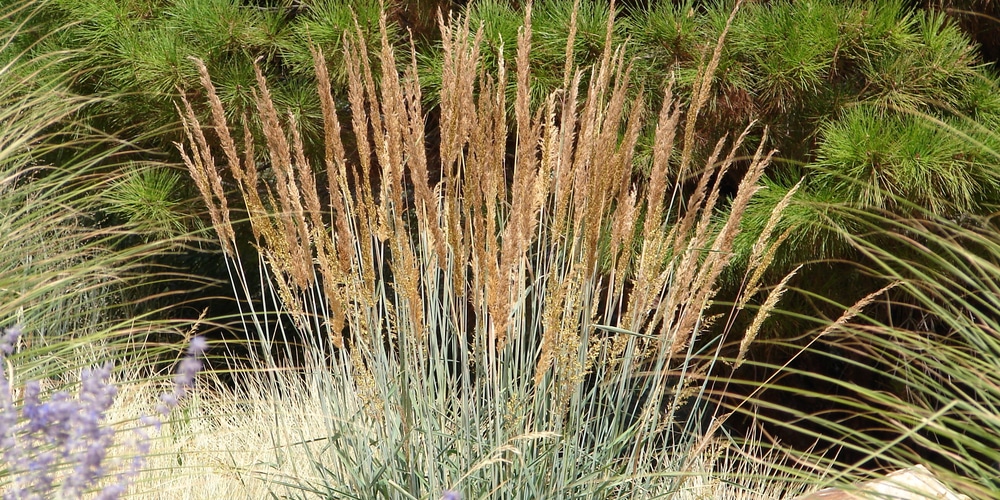
Illinois is home to a diverse range of native grasses, each with its unique characteristics and benefits. Some of the most common species include Indian grass, switchgrass, and big bluestem. These grasses can be used for various purposes, such as landscaping, erosion control, and wildlife habitat creation. For example, switchgrass is a popular choice for biofuel production, while Indian grass is often used for landscaping and ornamental purposes. By understanding the different types of native grasses and their uses, residents can make informed decisions about how to incorporate them into their landscaping and conservation efforts.
Overcoming Challenges and Considerations
While native grasses offer numerous benefits, there are also challenges and considerations to be aware of. One of the main concerns is the potential for invasive species to outcompete native grasses, leading to a loss of biodiversity and ecosystem disruption. Additionally, some native grasses may require specialized care or maintenance, such as periodic burning or mowing, to thrive. It is essential for residents to be aware of these challenges and take steps to mitigate them, such as choosing disease-resistant species, using sustainable landscaping practices, and monitoring for invasive species.
Conservation Efforts and Community Involvement
Conservation efforts and community involvement are crucial for protecting and preserving Illinois' native grasses. Organizations and initiatives, such as the Illinois Native Plant Society and the Prairie Conservation Committee, work to promote the use of native grasses, provide education and resources, and support conservation efforts. Residents can get involved by participating in local conservation projects, attending workshops and events, and incorporating native grasses into their landscaping and gardening practices. By working together, Illinois can protect its natural heritage and ensure the long-term health and sustainability of its ecosystems.
Conclusion and Call to Action
In conclusion, grasses native to Illinois play a vital role in maintaining the state's ecosystem, supporting biodiversity, and providing numerous benefits for residents. By understanding the different types of native grasses, their benefits, and the challenges and considerations associated with them, residents can make informed decisions about landscaping, conservation, and environmental sustainability. It is essential for Illinois residents to take action and get involved in conservation efforts, whether through individual actions or community involvement, to protect and preserve the state's native grasses for future generations.
Illinois Prarie Grasses: Grasses That Are Native To Illinois - GFL Outdoors
Illinois Prarie Grasses: Grasses that are native to Illinois - GFL Outdoors
Illinois Prarie Grasses: Grasses That Are Native To Illinois - GFL Outdoors
Illinois Prarie Grasses: Grasses that are native to Illinois - GFL Outdoors
Illinois Prarie Grasses: Grasses That Are Native To Illinois - GFL Outdoors
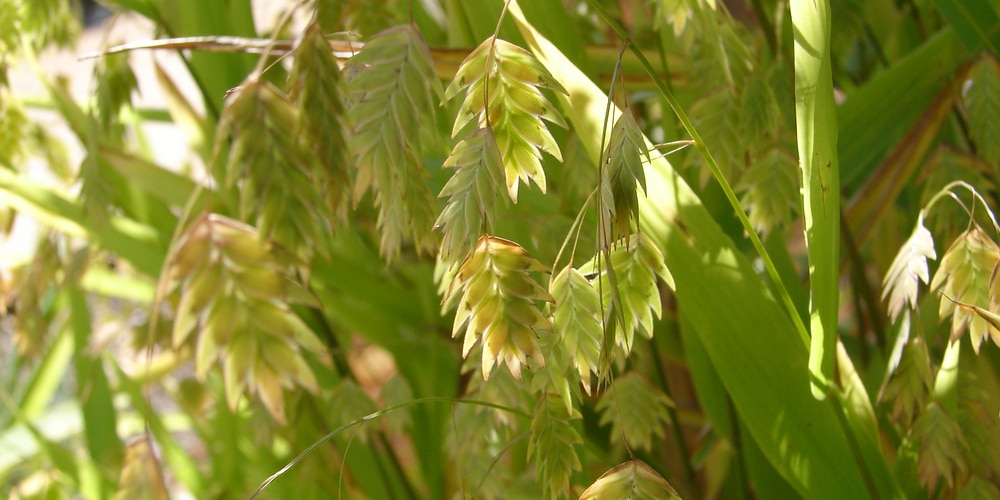
Illinois Prarie Grasses: Grasses that are native to Illinois - GFL Outdoors